Elizabethan England made it a crime to be a Catholic priest on English soil, and the crime was punishable by death. John Gerard was one of the Jesuits who came back anyway. He spent years moving between sympathetic houses, was caught, was tortured in the Tower of London, and then escaped from it. The book he wrote afterwards remains one of the few first-hand accounts of the underground priesthood.
The Horror
Gerard was born on October 4, 1564 into a Lancashire gentry family. He came back to England in 1588, soon after the defeat of the Spanish Armada, landing in Norfolk with another priest, Edward Oldcorne. For years he worked in secret among Catholic households.
He was arrested in London in 1594, the date of April 23 being given in one source and July in another, so the month is unconfirmed. Nicholas Owen, the carpenter who built priest holes, was taken with him according to the first of those accounts. After a period in smaller prisons he was taken to the Tower of London.
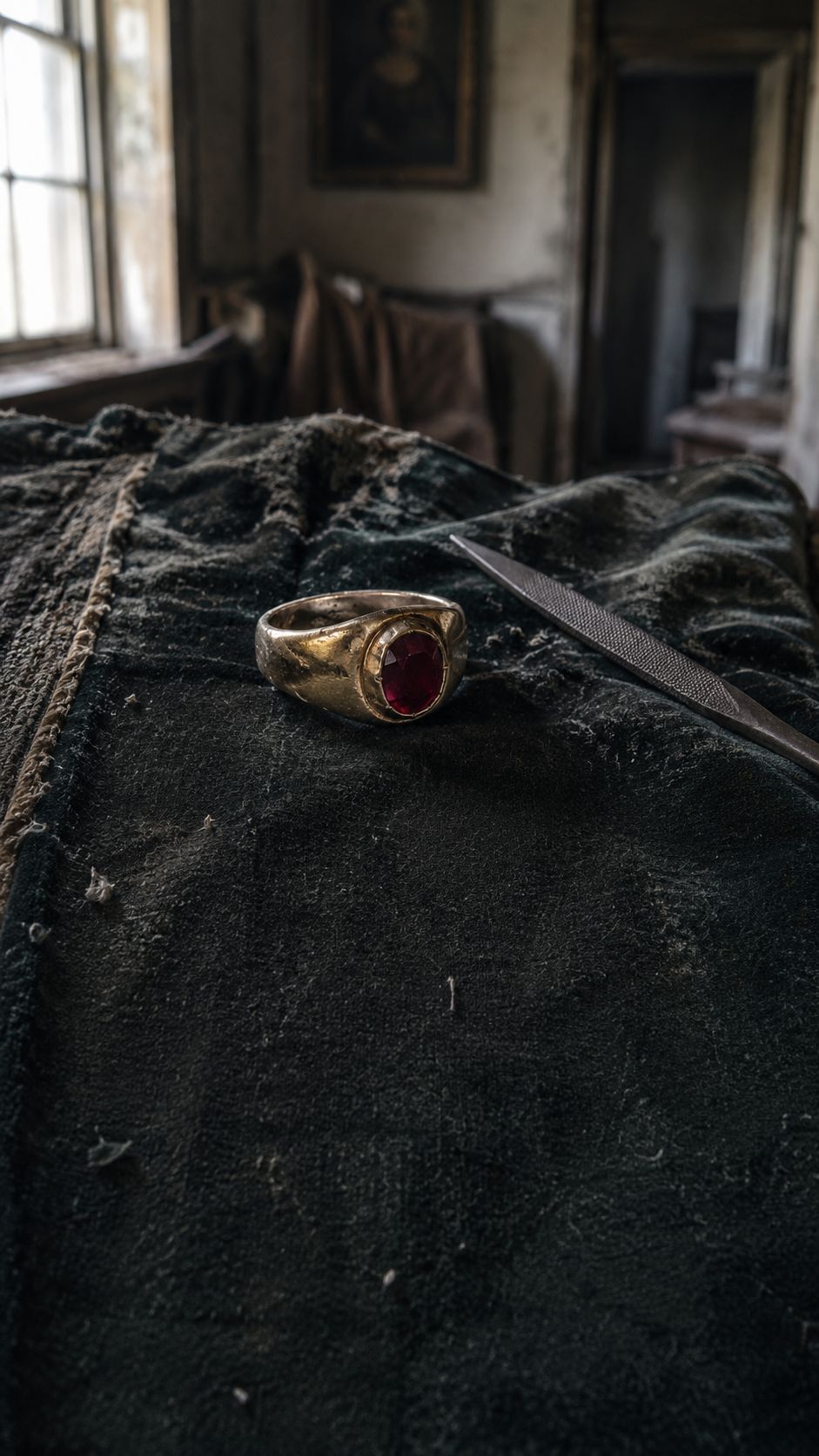
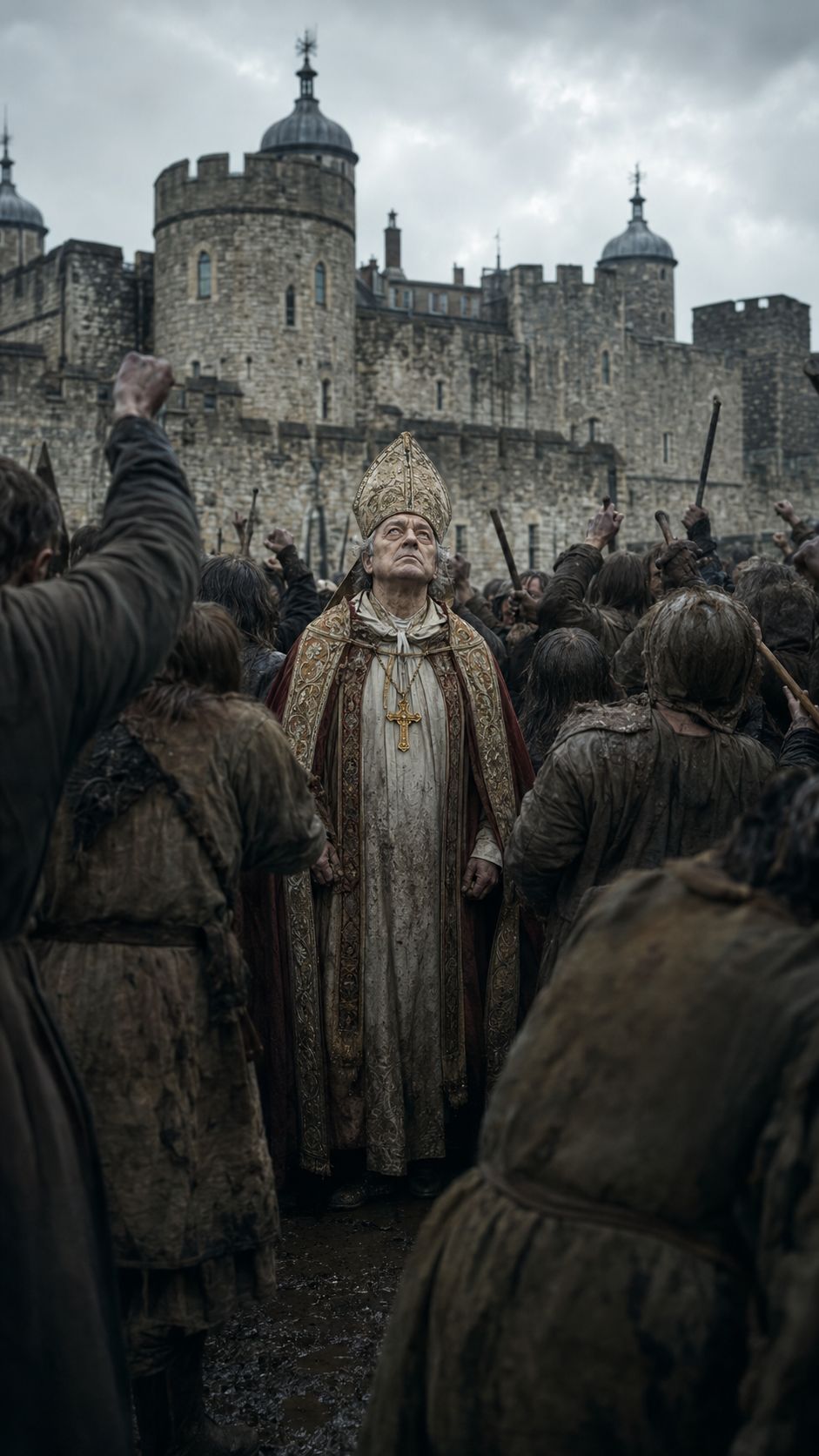
The authorities wanted names. In particular they wanted the whereabouts of the Jesuit superior Henry Garnet, whom Gerard refused to betray. Gerard was held in the Salt Tower and was hung from chains on a dungeon wall by his hands, repeatedly, according to Wikipedia. The Catholic Encyclopedia says his examiners eventually gave up and moved him to the Salt Tower, where he secretly said Mass. The torture did not give them what they wanted, and it left his hands badly damaged.
The Escape
On the night of October 4, 1597, Gerard escaped. With a fellow prisoner, John Arden, he crossed the Tower moat on a rope that had been drawn over from the Cradle Tower with a string thrown from Tower Wharf. His hands were still disabled from the torture, and he crossed with great difficulty. Wikipedia adds that he arranged for his friendly gaoler to escape too, so that the man would not be blamed.
The Modern Relic
Gerard’s name returned in 1605. After the Gunpowder Plot was discovered, an informant accused him of involvement. He hid during a search of a house at Harrowden, wrote a rebuttal that was circulated in London, and fled the country dressed as a footman in the Spanish Ambassador’s retinue. The sources differ on the details of his flight, and Wikipedia places it on the day Garnet was executed. He wrote his Narrative of the Gunpowder Plot in 1607.
He wrote his life story in Latin on the orders of his superiors. Philip Caraman’s English translation, published in 1951 as John Gerard: The Autobiography of an Elizabethan, is the version most readers know. He died on July 27, 1637, aged 72, at the English College in Rome.
The Tower of London is open as a visitor attraction, run by Historic Royal Palaces, and drew 2,817,852 visitors in 2025.