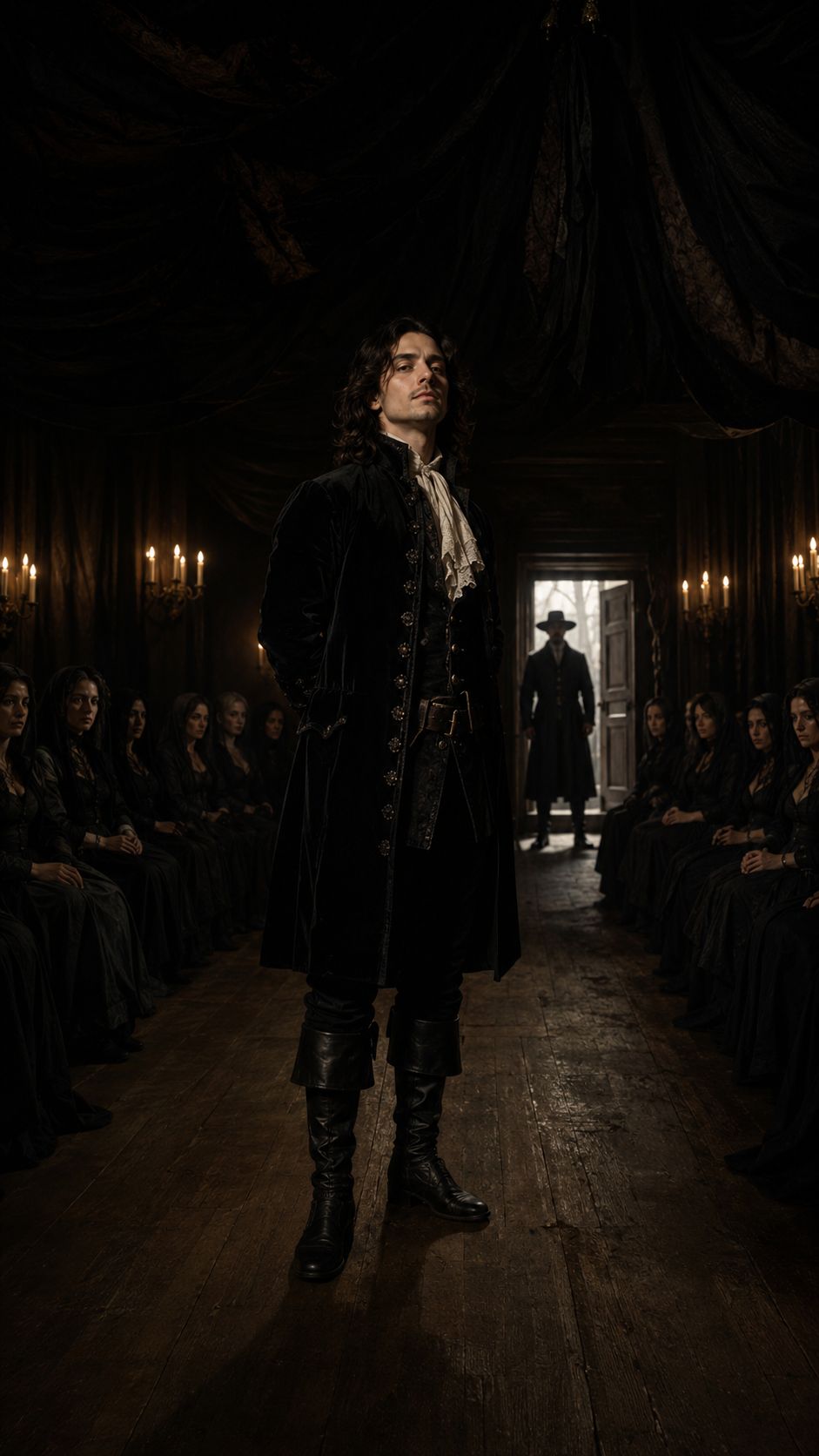
Chidiock Tichborne was a young Catholic gentleman from Hampshire. His father had been jailed for unpaid recusancy fines, the penalties Elizabethan England laid on those who would not attend the Protestant church. In 1586, Chidiock stepped from that world of fines and secret Masses into treason, and within months he was dead. He left behind a short poem that has never really gone out of print.
The Horror
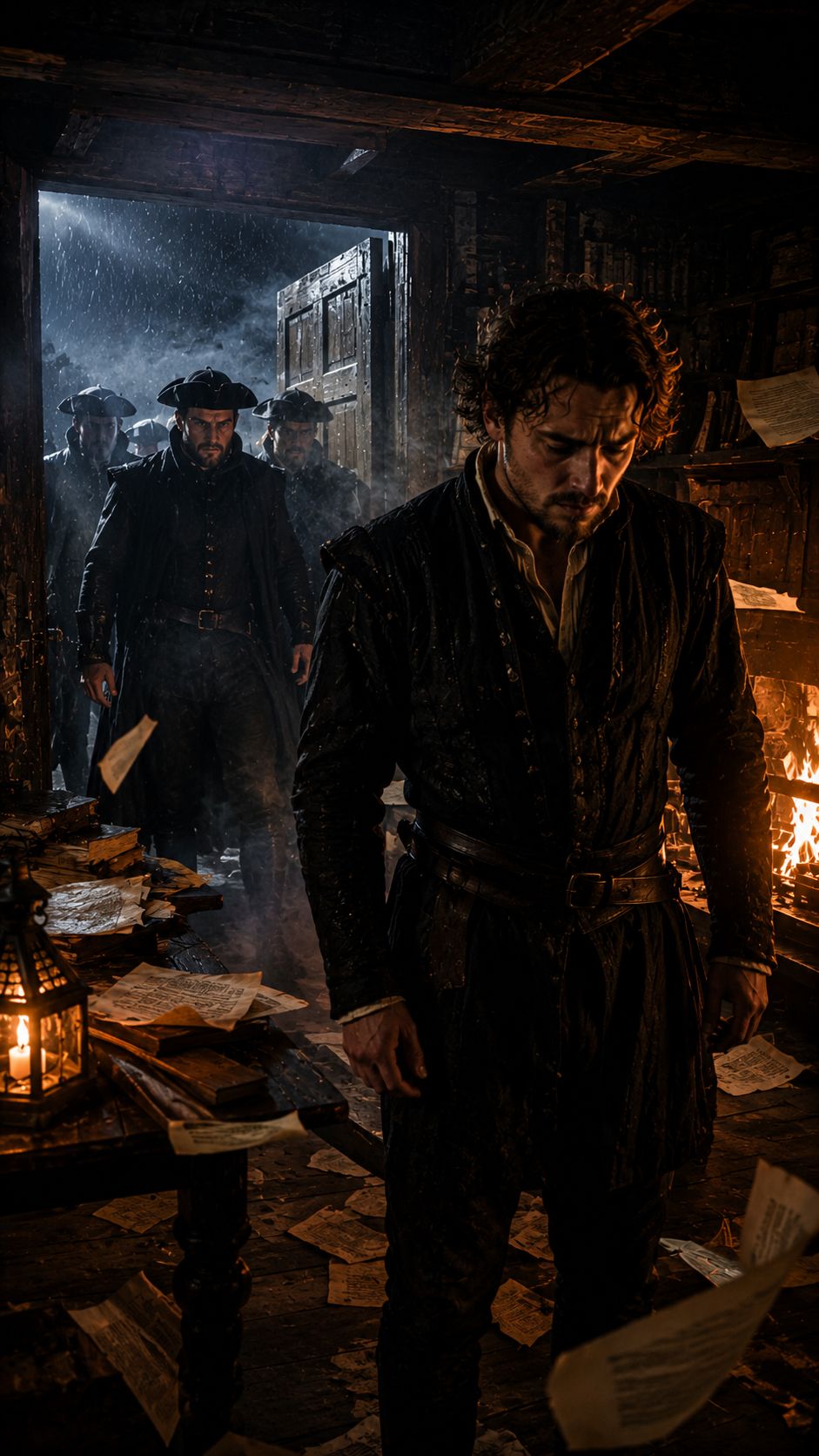
In June 1586 Tichborne agreed to join what history calls the Babington Plot, a conspiracy led by Anthony Babington to murder Elizabeth I and put Mary, Queen of Scots on the throne. The plotters did not know that Sir Francis Walsingham, the queen’s spymaster, was reading their letters. Most of them ran when the trap closed. Tichborne had an injured leg and stayed in London. He was arrested on August 14, 1586, and held in the Tower.
His age is uncertain. Many sources say he was about 28, which implies a birth around 1558. The Wikipedia article points to the Southampton parish record, which would make him no older than 23. Neither figure is firmly established.
On the night of September 19, in the Tower, he wrote to his wife and enclosed a poem. Her name appears in the letter as Agnes. The State Papers identify his wife as Jane Martyn of Athelhampton, and the Wikipedia article suggests Agnes may have been a private pet name. It is not known which is right. The poem, known as “Tichborne’s Elegy”, begins “My prime of youth is but a frost of cares”. Its refrain closes every stanza: “And now I live, and now my life is done.” Elsewhere come the lines “I saw the world, and yet I was not seen” and “My glass is full, and now my glass is run”. Sources disagree on whether the poem has three stanzas or four, and the wording varies between the twenty-eight known manuscript versions.
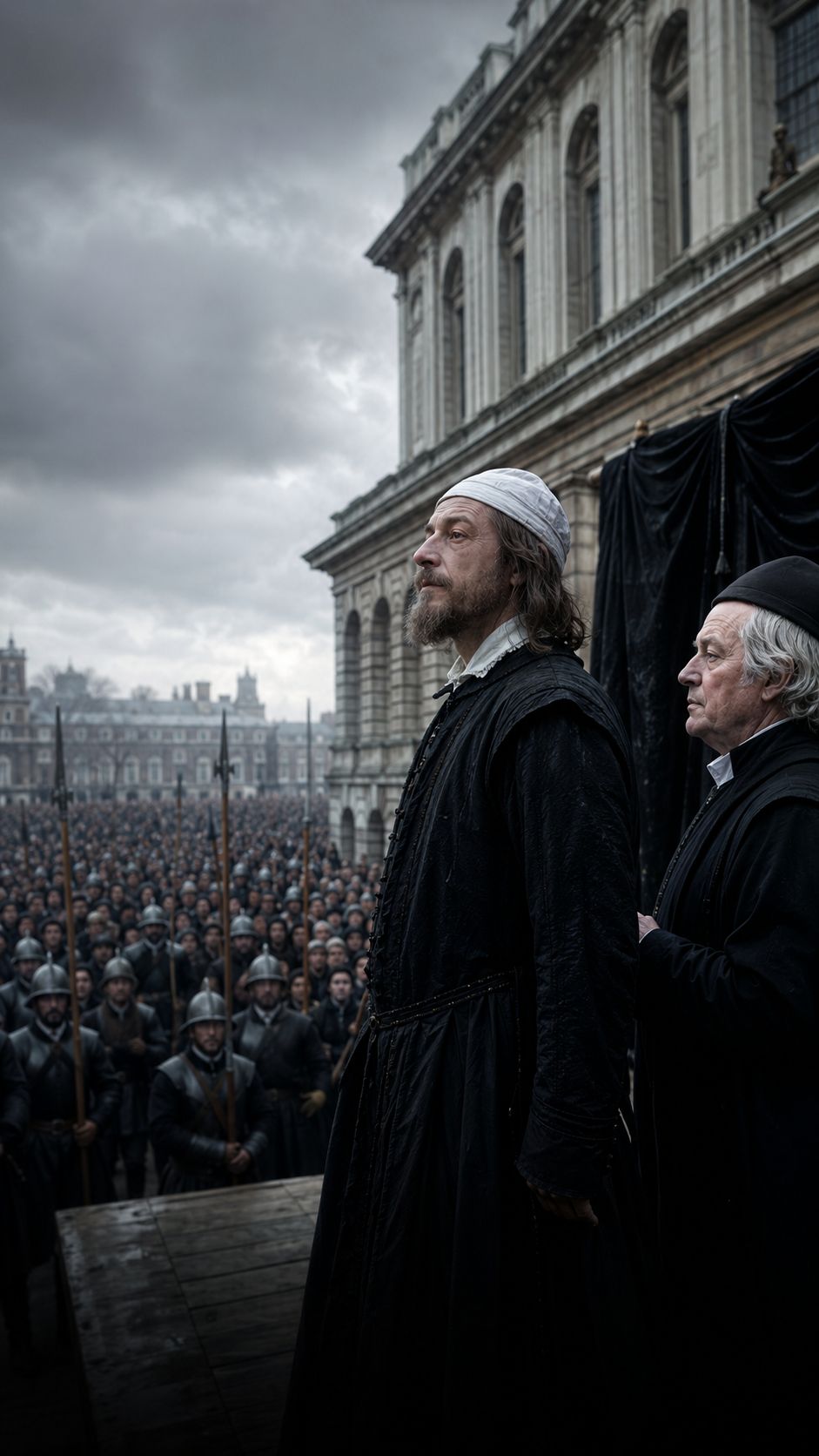
The next day, September 20, 1586, he was taken with Babington, John Ballard and four others to St Giles’s Fields, then open ground outside London, where a gallows had been built. The sentence for high treason was the full penalty. The condemned were hanged briefly, cut down while still alive, castrated and disembowelled, and then beheaded and quartered. Accounts of the first day, including a modern blog drawing on Charles Nicholl’s biography of Marlowe, say Tichborne and his fellows were taken down conscious. That is a secondary report of a standard, well-attested sentence, and the contemporary account of what happened to Tichborne himself has not been seen.
Whether he spoke on the scaffold is disputed. Wikipedia reports that he said his family was a house “never stained till this my misfortune”, but the page traces that to a single nineteenth-century writer, Isaac D’Israeli, and gives no independent confirmation. The blog says no speech is recorded. Treat the speech as tradition.
The aftermath is better supported. The first seven had died so badly that the crowd’s sympathy was with them. Elizabeth is said to have ordered that the second group, seven more tried shortly afterwards, should hang until “quite dead” before the rest of the sentence was carried out. The Babington Plot article confirms the order and the public outcry. The date of the second group’s executions is not given in the sources, and the idea that it was the following day is common but unconfirmed.
A Disputed Poem
For centuries the Elegy has been Tichborne’s. It was printed in 1586, the year of his death, in Verses of Prayse and Joye, a volume put out by the printer John Wolfe to celebrate the queen’s escape. That is an odd place for a traitor’s last words. Some writers have questioned whether he wrote it at all, and Sir Walter Raleigh has been suggested as the author. An answer poem in the same volume is thought most likely to be by Thomas Kyd. No attribution to anyone else is settled, and the poem is traditionally given to Tichborne, with the letter as its context.
The Modern Relic
There is no tomb to visit. The relic is the poem, anthologised and set for students, and the sort of thing people read aloud when they want to speak about death plainly. The Elegy survives in manuscript and in print, and this is the main reason Tichborne’s name is known at all.
The place is harder to pin down. The church of St Giles-in-the-Fields stands on St Giles High Street, close to Seven Dials and Holborn, and its parish covers the ground where the plotters were executed. The Wikipedia article on the church says the plotters were taken to St Giles churchyard to die. That gives a general site and not a precise one. The coordinates for this story are those of the church, and the gallows stood somewhere in the surrounding fields, which are now built over.
Tichborne left a widow, though the sources disagree on her name, as noted above.
This story overlaps with the account of Anthony Babington and the execution riot, which covers the same two days from the point of view of the crowd.