In June 1381 English commoners from the south-east marched on London in the revolt that history calls the Peasants’ Revolt, angered by a poll tax and by the efforts of landowners to hold down wages after the Black Death. One of the voices attached to the rising belonged to a priest with no parish, John Ball, whose most famous line is a question about who made one man a gentleman and another a servant. Almost everything recorded about him was written by men who despised him, so the account below separates what the chroniclers report from what later tradition has added.
The Horror
Ball was born, probably, around 1338, though his birthplace and early life are uncertain. He is linked to York and later to Colchester, and he spent years as an itinerant preacher, speaking in churchyards, markets and fields. A royal letter of 1364 revoked his protection and complained that he wandered about preaching views contrary to the faith of the Church. He was formally forbidden to preach in 1366, he is said to have been excommunicated, and he was imprisoned more than once. Archbishop Simon of Sudbury, who would die in the revolt, was among his main opponents.
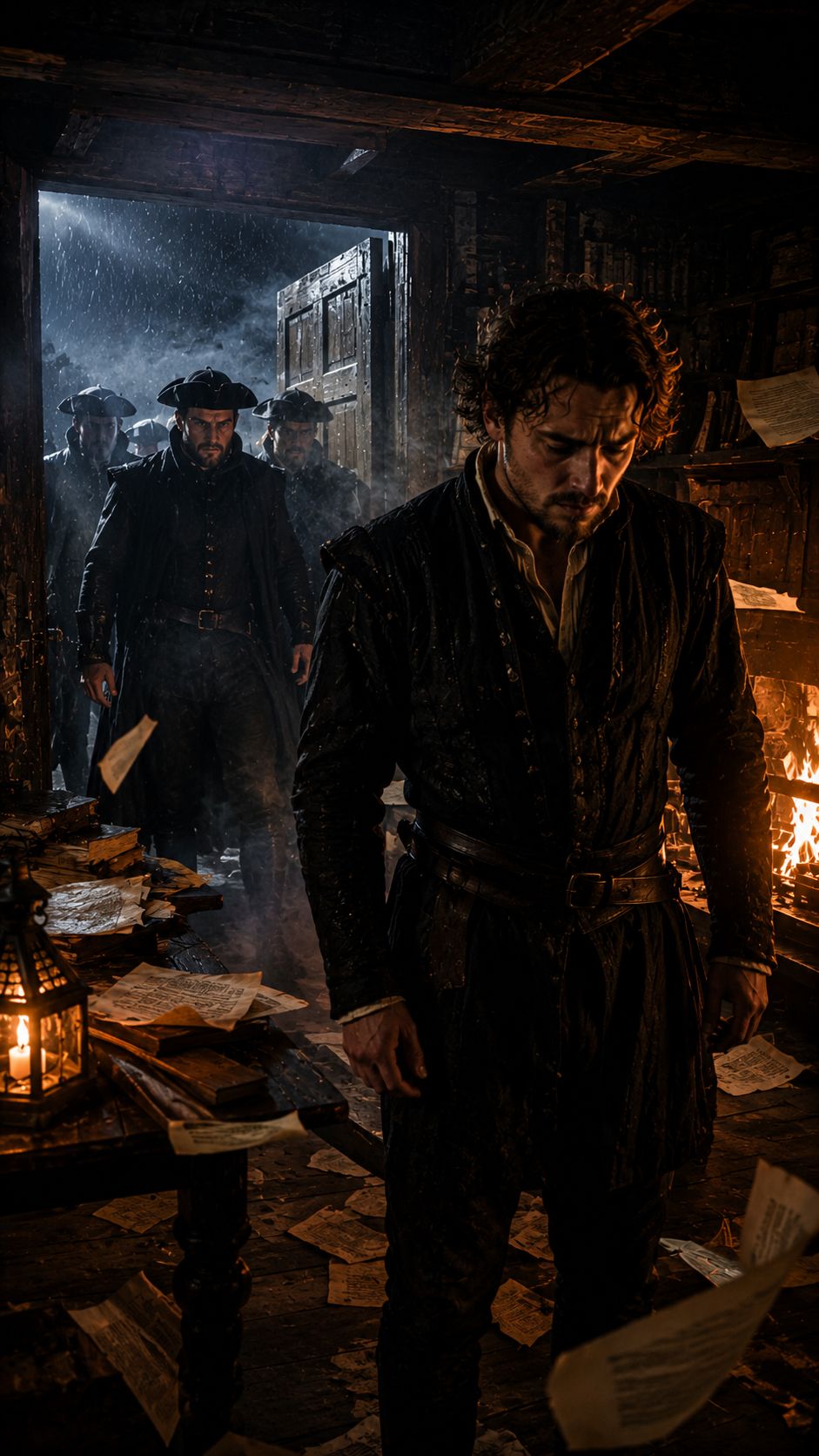
Early in 1381 he was held at Maidstone, in Kent. The chronicles say rebels freed him there. One modern suggestion is that the John Ball released from prison was instead a man freed at Bishop’s Stortford on June 11, 1381, which would put him away from London at the time. The question is not settled.
The sermon at Blackheath is the best-known moment of his life. The chronicler Thomas Walsingham dates it to June 12, 1381, and gives a rhyme still repeated today: when Adam delved and Eve span, who was then the gentleman? Its message is that there were no lords at the beginning, only a man digging and a woman spinning. The wording of the rhyme varies between sources, and the modern historians who describe the sermon caution that its date and its content are uncertain. Walsingham’s version of the sermon also urges violence against lords and lawyers. That version comes from an enemy of the rising.
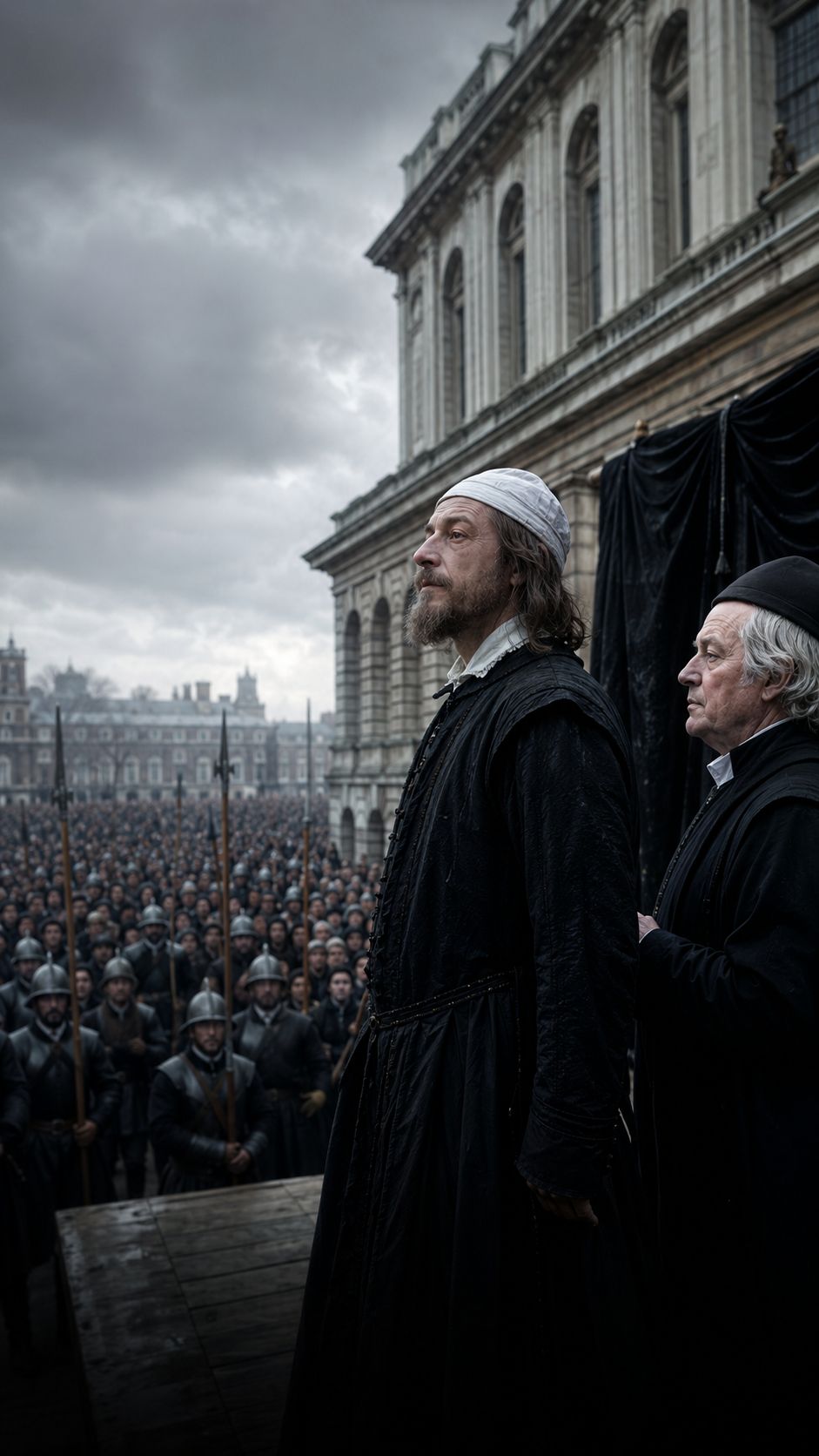
Once the revolt was crushed, Ball was captured at Coventry. He was taken to St Albans for trial in mid-July 1381. Unlike most of the rebels, he is reported to have been allowed to speak at his trial. He was condemned, and on July 15, 1381 he was hanged, drawn and quartered at St Albans, reportedly in the presence of the fourteen-year-old King Richard II. His head was displayed on London Bridge and his quarters were sent to four towns. The chroniclers do not agree on every detail, and the exact place of the execution in St Albans is unconfirmed.
A man named John Shirle is reported to have been hanged after publicly praising Ball in Cambridge the day after the execution.
The Legend
Ball is often presented as a prophet of equality or as an early socialist. The surviving evidence is thinner and more political than that. The sermon texts are polemical, the chroniclers hated him, and his reputation was shaped by their hostility for about four hundred years. Chroniclers also tied him to the heretical preacher John Wycliffe, though Ball was already preaching controversial ideas at least a decade before Wycliffe drew attention. Treat the popular picture of a lone radical thinker as tradition rather than record.
The Modern Relic
St Albans keeps a record of the trial. A blue plaque, unveiled in February 2022 on St Albans Museum + Gallery, marks the former Moot Hall where Ball was tried. It states that he was tried on that site in the presence of King Richard II before his execution. In Colchester, where he is linked to the town, a plaque on John Ball Walk records that he was executed at St Albans on July 15, 1381. A plaque in his memory was unveiled there on July 15, 2017.
His question outlived the rising. The Peasants’ Revolt failed, and its leaders were hunted down. The man the chroniclers called the mad priest of Kent is remembered because of one line that a hostile chronicler thought worth writing down.