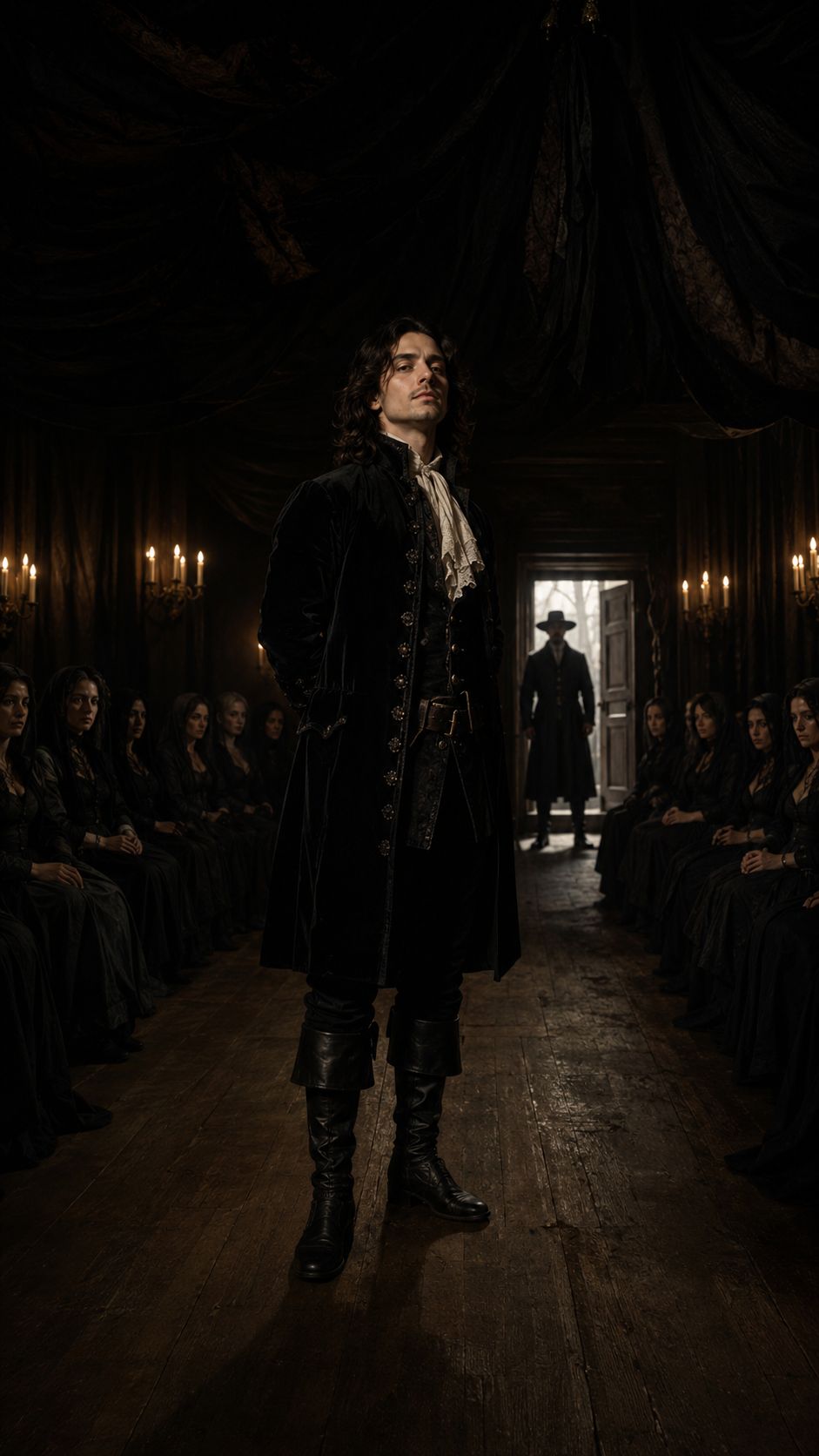
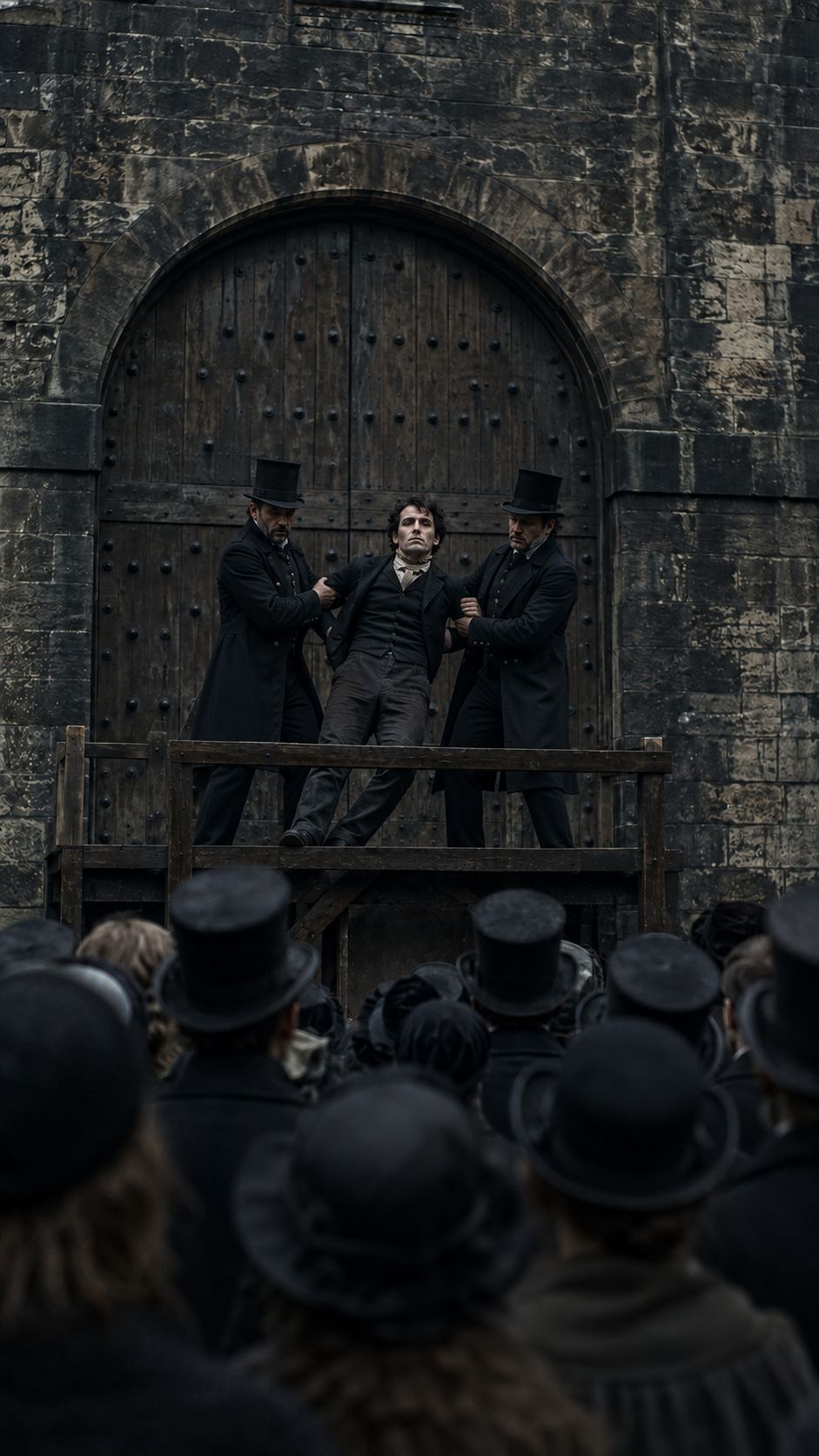
Lord Russell’s death was the execution that gave the English language a word. Jack Ketch was the executioner, and after Russell his name stuck to the job. The politics around the killing are as important as the block.
The Horror
William Russell was a leading Whig, opposed to the succession of the Catholic James, Duke of York. In 1683 the government exposed what it called the Rye House Plot, a scheme to ambush Charles II and James at Rye House in Hertfordshire as they returned from the Newmarket races. A fire at Newmarket had cancelled the races, and the royal party returned early, so the attack never took place. The plot became public on June 12, 1683. Historians still disagree about how far an assassination had been planned, and some argue that Charles or his supporters largely exploited it to remove his strongest opponents.
Russell was sent to the Tower on June 26, 1683. He was tried on July 12 and convicted of treason. Lord Howard of Escrick, who had been arrested and turned informer, supplied the main evidence against him. His wife, Lady Rachel Russell, acted as his secretary at the trial. The sentence of hanging, drawing and quartering was commuted to beheading.
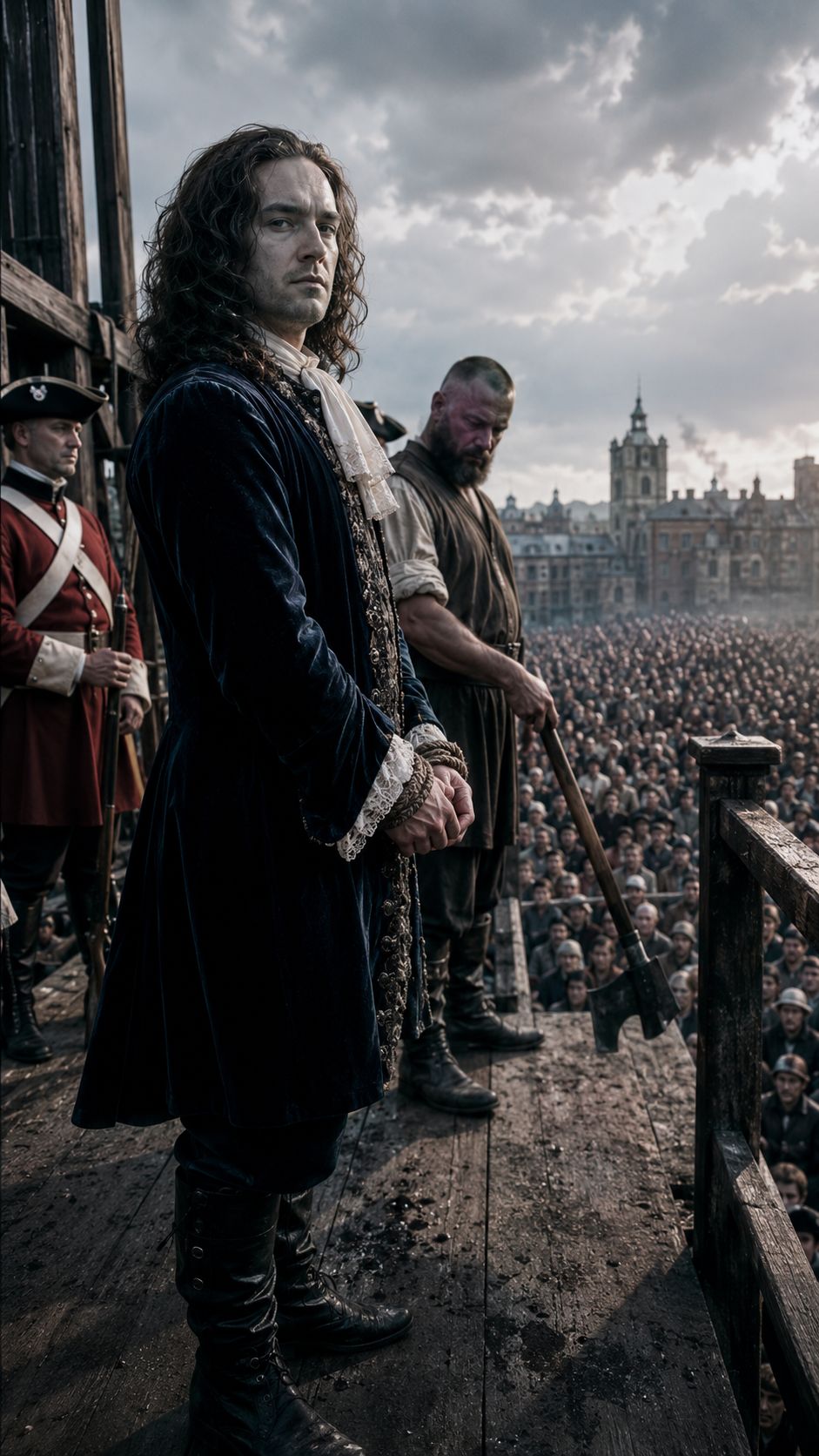
He was beheaded on July 21, 1683, at Lincoln’s Inn Fields by Jack Ketch. The execution is described as botched. One account says that Ketch needed four blows, and that Russell said to him, “You dog, did I give you ten guineas to use me so inhumanely?” The count and the words rest on later reports, so both are better treated as tradition than as certain fact.
Ketch then answered in print. A pamphlet, the Apologie, blamed Russell for not positioning himself properly. It denied that Russell had paid him twenty guineas or insulted him, though it admitted that he received ten. Whether Ketch wrote it is disputed: Sidney Lee thought he probably did, and Stephen Wade has questioned its provenance.
Two years later, on July 15, 1685, Ketch beheaded the Duke of Monmouth on Tower Hill. John Evelyn’s diary, a secondhand report, says that it took five chops to remove the head. After that, the name Jack Ketch passed into use for hangmen, for death, and for the devil.
Russell was not the only Whig to die. The Earl of Essex was found dead in the Tower with his throat cut while awaiting trial, and it is recorded as suicide. Algernon Sidney was also beheaded. Russell’s attainder was reversed under William III.
The Legend
The tale that Russell was still alive after the first blows, or that the executioner was drunk, is not and is unconfirmed. The general picture of Russell as a Whig martyr is better documented, though it is also a partisan one, and the historiography of the plot has been partisan on both sides.
The Modern Relic
Lincoln’s Inn Fields is the largest public square in London, and the central grassed area is open to the public. The gates are locked every night at dusk, a practice dating from 1993, when the fields reopened with new railings. No marker for Russell’s execution is mentioned.