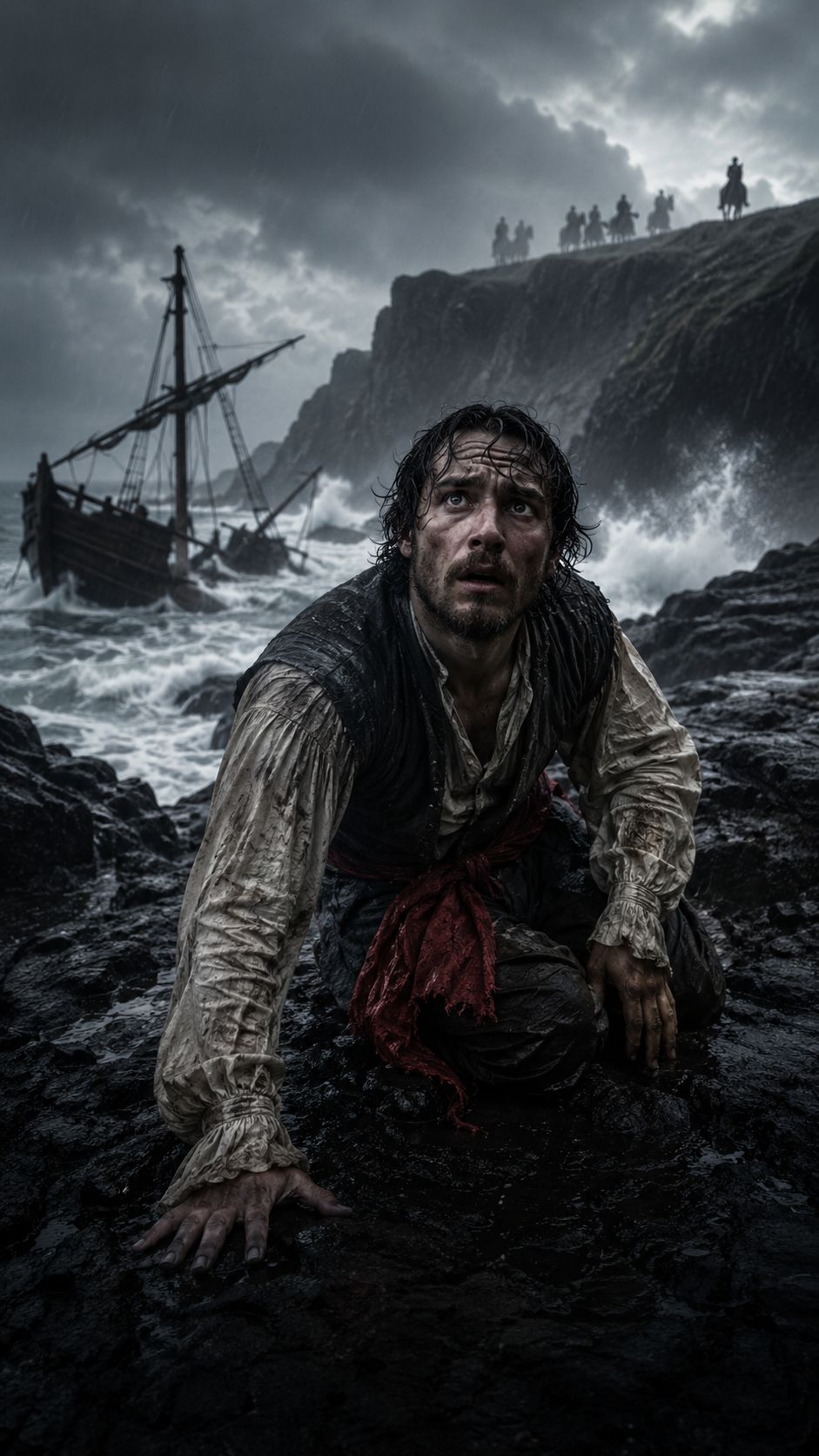
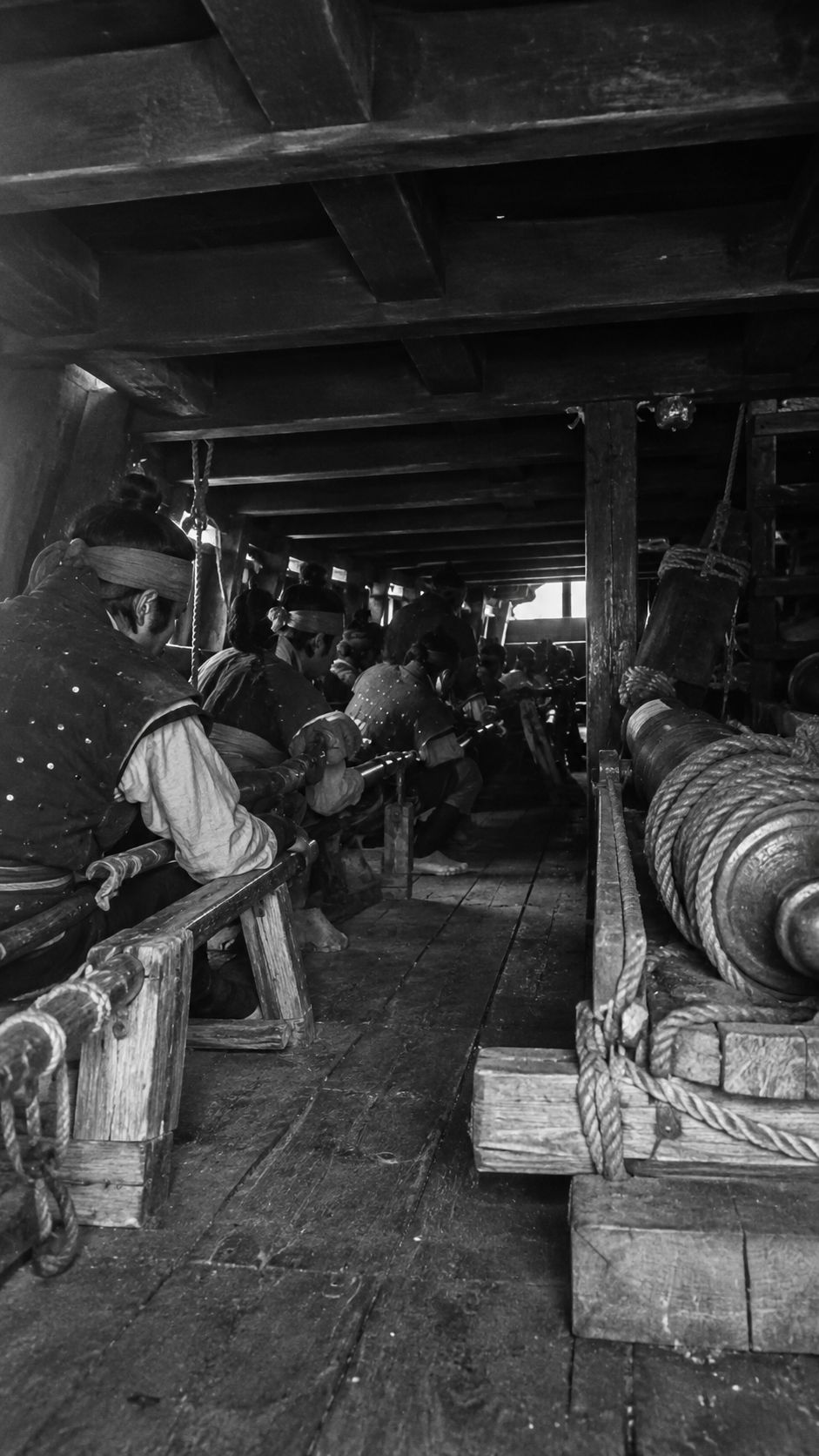
The Royal George sank without a shot fired, at anchor, in calm water, a few miles from shore. It is one of the worst peacetime losses in British naval history, and it is still unclear how many people died.
The Horror
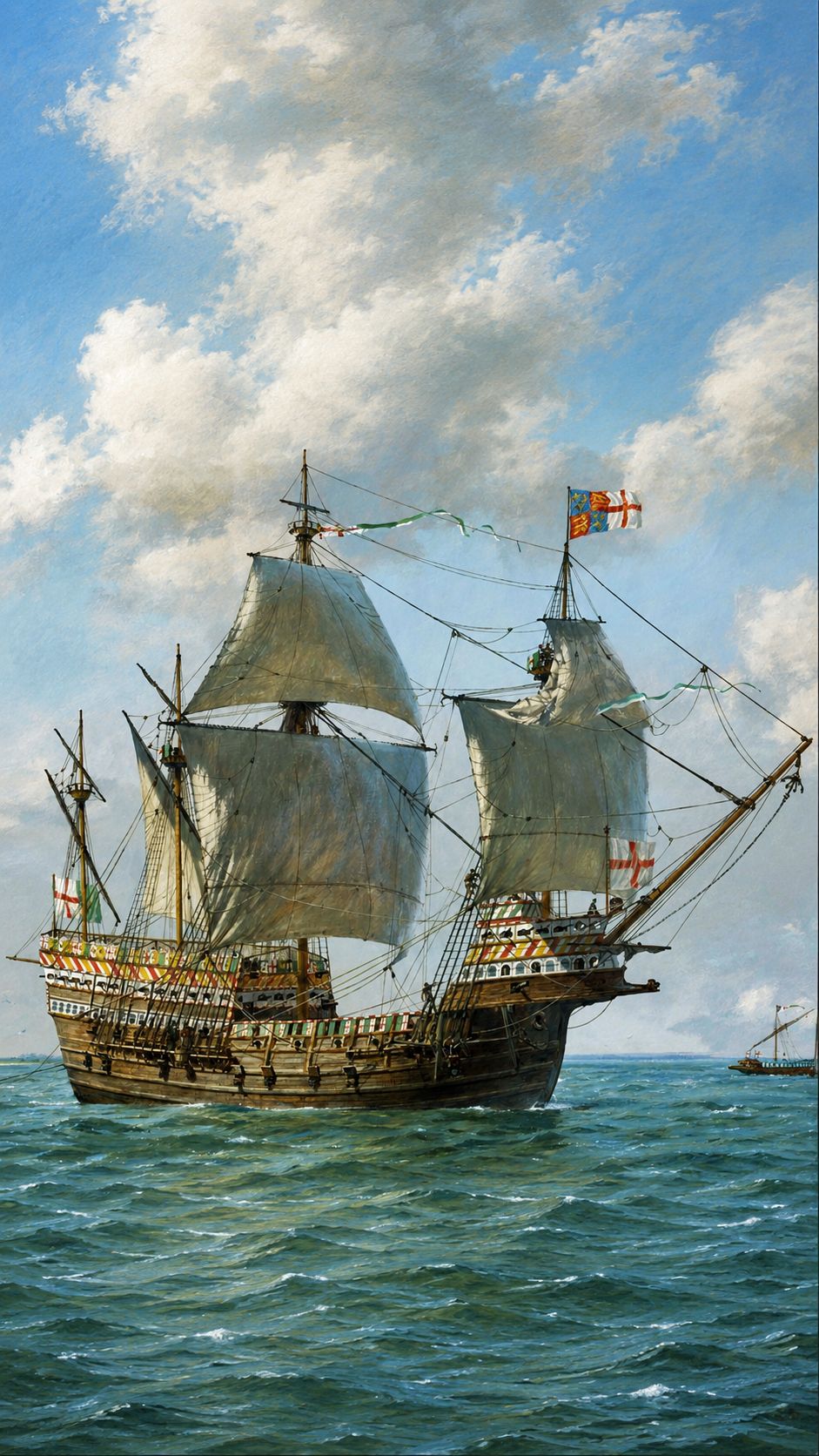
The Royal George was a 100-gun first-rate, launched at Woolwich on February 18, 1756, and said to be the largest warship in the world at the time. By August 1782 she lay at Spithead, the anchorage off Portsmouth, preparing to sail with the fleet to relieve Gibraltar. Her usual complement was 867, but on the day many more were aboard: crew, workmen, relatives and traders. Her flag was flown by Rear-Admiral Richard Kempenfelt, born in 1718, who had made radical improvements to the Royal Navy’s signalling.
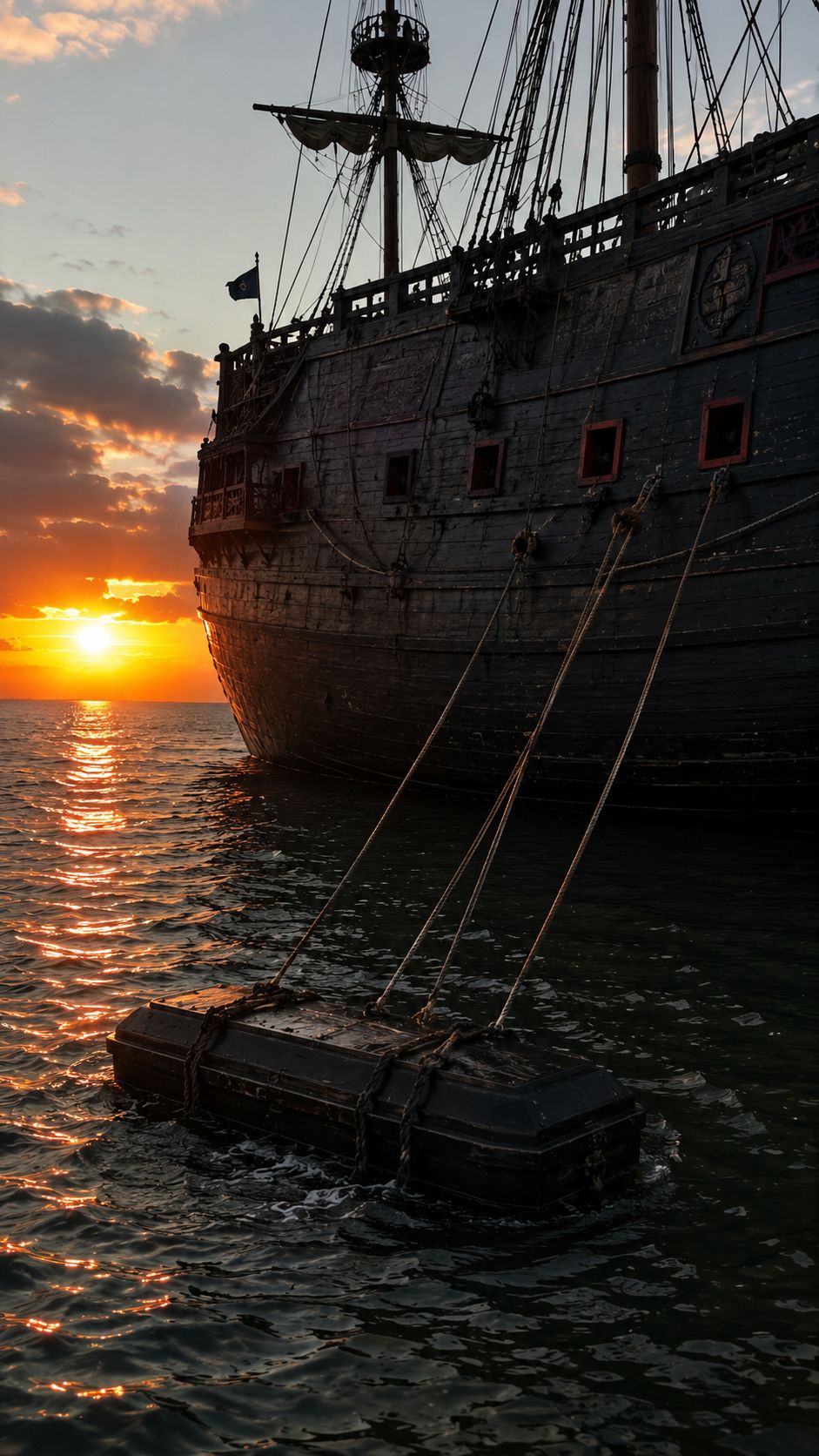
At about 7 a.m. on August 29 the ship was heeled to allow work on the hull, by rolling her starboard guns to the centreline so that she tilted to port. Casks of rum were loaded on the low port side, adding unstable weight. She heeled past her centre of gravity. The carpenter, seeing her settle, asked Lieutenant Monin Hollingbery to beat the drum to signal the crew to right the ship. Hollingbery refused, twice. The carpenter then went to the captain, who ordered the guns moved back. It was too late, because water had already entered the port gunports. The ship went over and sank.
Kempenfelt was in his cabin, which had jammed shut because of the heel, and he drowned. The captain, Waghorn, was thrown into the water and rescued. The carpenter died less than a day later without regaining consciousness.
The totals are uncertain. One part of the main article gives more than 800 dead and another about 900, including up to 300 women and 60 children as visitors. About 255 people were saved, including eleven women and one child, some by climbing the rigging and others picked up by boats. Many bodies washed ashore at Ryde on the Isle of Wight and were buried in a mass grave on land now occupied by Ryde Esplanade.
A court-martial acquitted the surviving officers and crew and blamed the loss on the “general state of decay of her timbers”. Most historians, among them Nicholas Tracy, hold Hollingbery largely responsible, arguing that an alert watch officer would have prevented the disaster.
The Legend
The image of Kempenfelt writing at his desk when the ship rolled is the usual assumption, not an established fact. Rival accounts circulated at the time, and William Cowper’s poem adopted the cabin version, which became the dominant one. A widely repeated story that a single boy survived, clinging to a sheep, is unconfirmed, and the figure of 255 survivors includes one child and eleven women. The name of the store ship and the exact nature of the repair are also unconfirmed.
The Modern Relic
Cowper wrote “The Loss of the Royal George” in 1782, beginning “Toll for the brave”. Lloyd’s Coffee House raised a fund for the widows and children, which became the start of the Lloyd’s Patriotic Fund.
The wreck lay in Spithead in a busy harbour. Charles Spalding recovered guns with a diving bell in 1782. In 1834 to 1836 Charles and John Deane, using an air-pumped helmet they had invented, recovered 28 guns. From 1839 to 1843 Colonel Charles Pasley of the Royal Engineers broke the wreck up with gunpowder charges, and the keel and bottom timbers had been raised by 1843. Pasley’s team is credited with the first recorded use of the buddy system in diving.
Pieces survive. A 24-pounder is displayed at Southsea Castle. Some bronze from the wreck was melted down for parts of Nelson’s Column, and wood from the hull was made into souvenirs, including a billiard table at Burghley House. A plaque unveiled in 1965 by Earl Mountbatten was moved in 2006 to the Royal George Memorial Garden at Ryde. Kempenfelt has a memorial by John Bacon in Westminster Abbey, installed in 1808.