Henry VII died in April 1509 owning a full treasury and a hated reputation. Two of his servants had done much of the work of filling the one and earning the other. Within weeks of his death they were in prison, and sixteen months later they were dead.
The Horror
Edmund Dudley and Richard Empson were leading members of the Council Learned in the Law, a body that collected debts owed to the Crown and took bonds from wealthy subjects as security for their good conduct. Contemporary accounts say that between them they collected more than 200,000 pounds in four years. That figure comes from accounts of the time and is not exact.
Empson was a lawyer from Northamptonshire, born about 1450. He had been Speaker of the House of Commons in 1491 and was knighted in 1504. The old claim that his father was a sieve maker is unsupported. Dudley was a few decades younger, though the year of his birth is uncertain.
After Henry VII’s death in April 1509, Dudley was imprisoned for constructive treason. The nominal charge concerned giving orders for friends to assemble in arms if the king died. The stated offence was thin. The article on Dudley says the real reason was his unpopularity from his financial dealings. Empson was convicted at Northampton in October 1509 and later attainted by Parliament, though one view holds that the parliamentary act may only have prevented forfeiture of property held in trust.
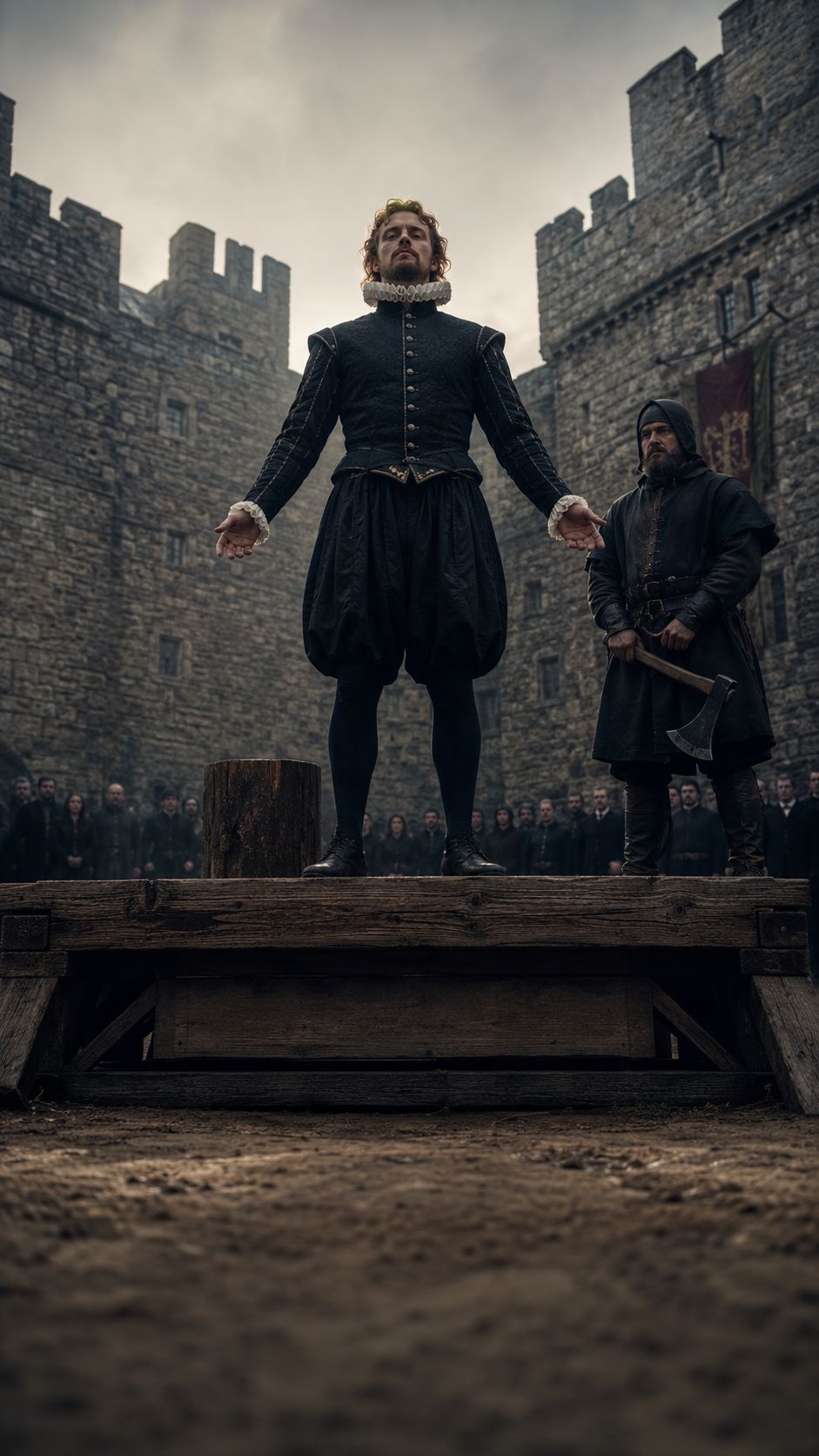
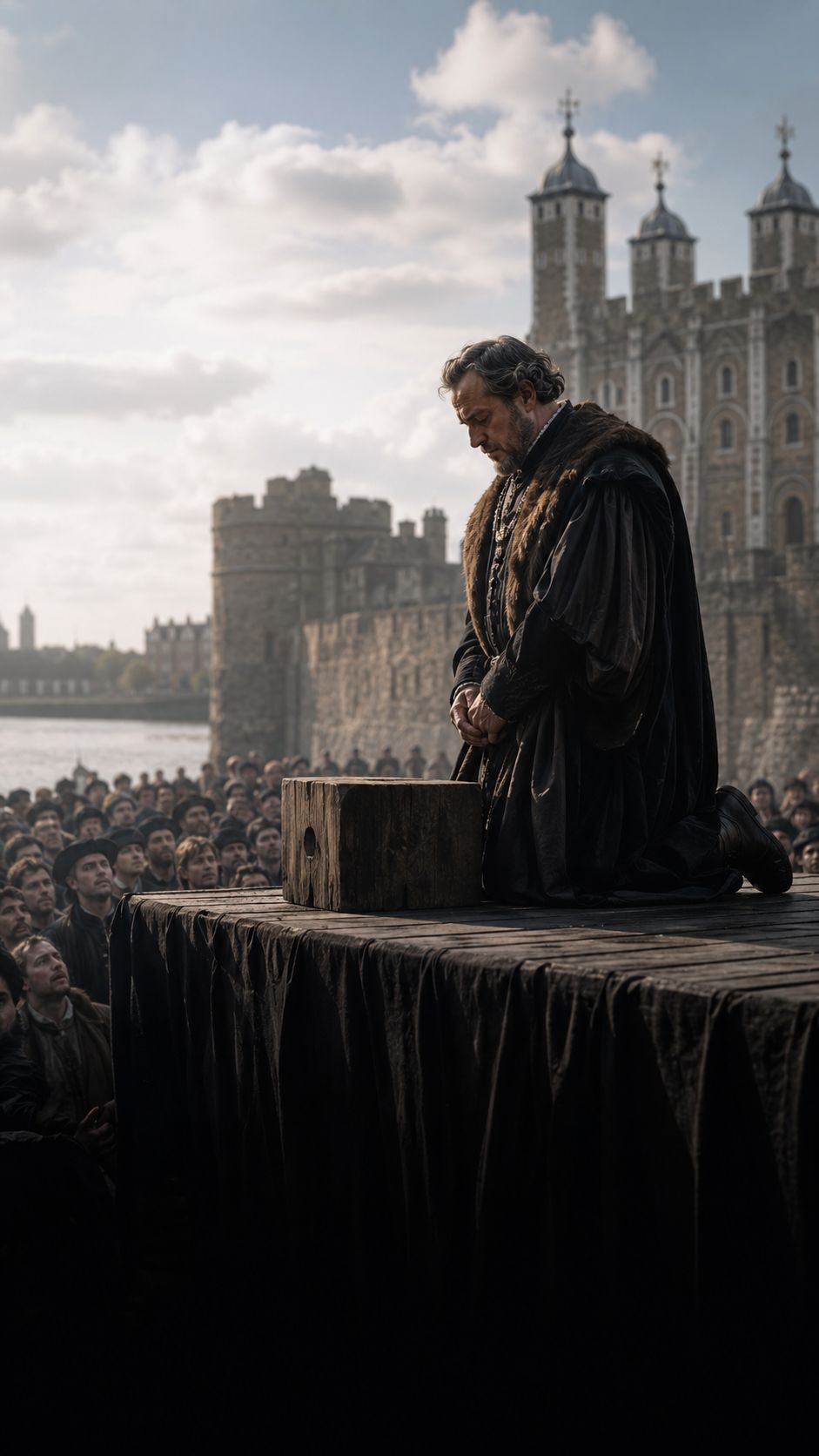
Dudley used his time in the Tower to write a treatise, The Tree of Commonwealth, which argued for absolute monarchy. It was apparently meant to win Henry VIII’s favour. It may never have reached the king. He also drew up a will. Both men were beheaded on Tower Hill on August 17, 1510.
The Legend
It is often said that the execution was a calculated gift to a new king who wanted public goodwill. That is a plausible reading of the charge, which was widely seen as thin, but it is an interpretation, and Henry VIII’s own motive is unconfirmed. The account of the pair as simply “ruthless” men acting on their own initiative is also incomplete, since the Council worked for the king. The exact burial place of each man is uncertain.
The Modern Relic
Dudley’s son, John Dudley, rose to be Duke of Northumberland and the regent of Edward VI, and was himself executed on Tower Hill in 1553. His son Guildford Dudley followed in 1554. Empson’s son Thomas was restored in blood in 1512.
Tower Hill was the main execution ground outside the Tower of London. About 120 executions are chronicled there, from the late fourteenth century to the mid-eighteenth. The site, on higher ground north-west of the Tower moat, is now occupied by Trinity Square Gardens. The Tower Hill Memorial in the gardens is a Merchant Navy war memorial, not a memorial to those executed there. The Tree of Commonwealth survives in manuscript.