Latest stories

The Squire Whose Tomb Was Barred on Dartmoor

Richard Cabell died in 1677, and legend says phantom hounds howled at his tomb. Locals barred it to keep him in, and he is the squire most often linked to The Hound of the Baskervilles.

Evidence: moderate · Sourced: two or more sources, at least one beyond Wikipedia.

On a hill above Buckfastleigh in Devon, beside a burnt-out church, stands a small barred building over a chest tomb. Local tradition says it holds Richard Cabell, a squire who sold his soul, and says it was built to keep him in. Very little of that is documented.

The Horror

Richard Cabell was lord of the manor of Brook, near Buckfastleigh, and built the manor house there in 1656. He died on 5 July 1677 and was buried in a sepulchre at Holy Trinity. That is the documented part.

The rest is legend and is mostly unsourced. He is said to have been nicknamed “Dirty Dick”, to have had a reputation for immorality, and to have sold his soul to the Devil. A rumour that he murdered his wife has no evidence behind it, and she was alive when his will was dated 1671. After his burial, the legend goes, a phantom pack of black hounds howled at his tomb and then ran across Dartmoor with him on the anniversary of his death. The villagers are said to have put a heavy slab over the tomb and built a structure over it to keep his spirit down.

Even the tomb itself is uncertain. The names inscribed inside the mausoleum are Richard (died 1612), Susanna (died 1597) and Richard (died 1655). Cabell, who died in 1677, is only reputed to be buried there.

The Modern Relic

The structure is a Grade II* listed building, known locally as the Sepulchre. It has recently been restored, including its grille and coving. The church beside it was burnt out by arson in 1992, and the congregation moved to St Luke’s in the town. The church advises against entering the ruin because of loose stones. The tomb’s custodians say the legends around it are mostly of very doubtful truth.

The legend reached a much wider audience through Arthur Conan Doyle. In June 1901 he explored Dartmoor with the journalist Bertram Fletcher Robinson, and The Hound of the Baskervilles ran in The Strand Magazine from August 1901 to April 1902. Its Hugo Baskerville is a cruel squire killed by a spectral hound, and Cabell is generally named as the main inspiration. Doyle never confirmed that. When he was asked in 1907, he said the story rested on a remark by Fletcher Robinson about a dog legend on the moor connected with an old family. He did not name Cabell.
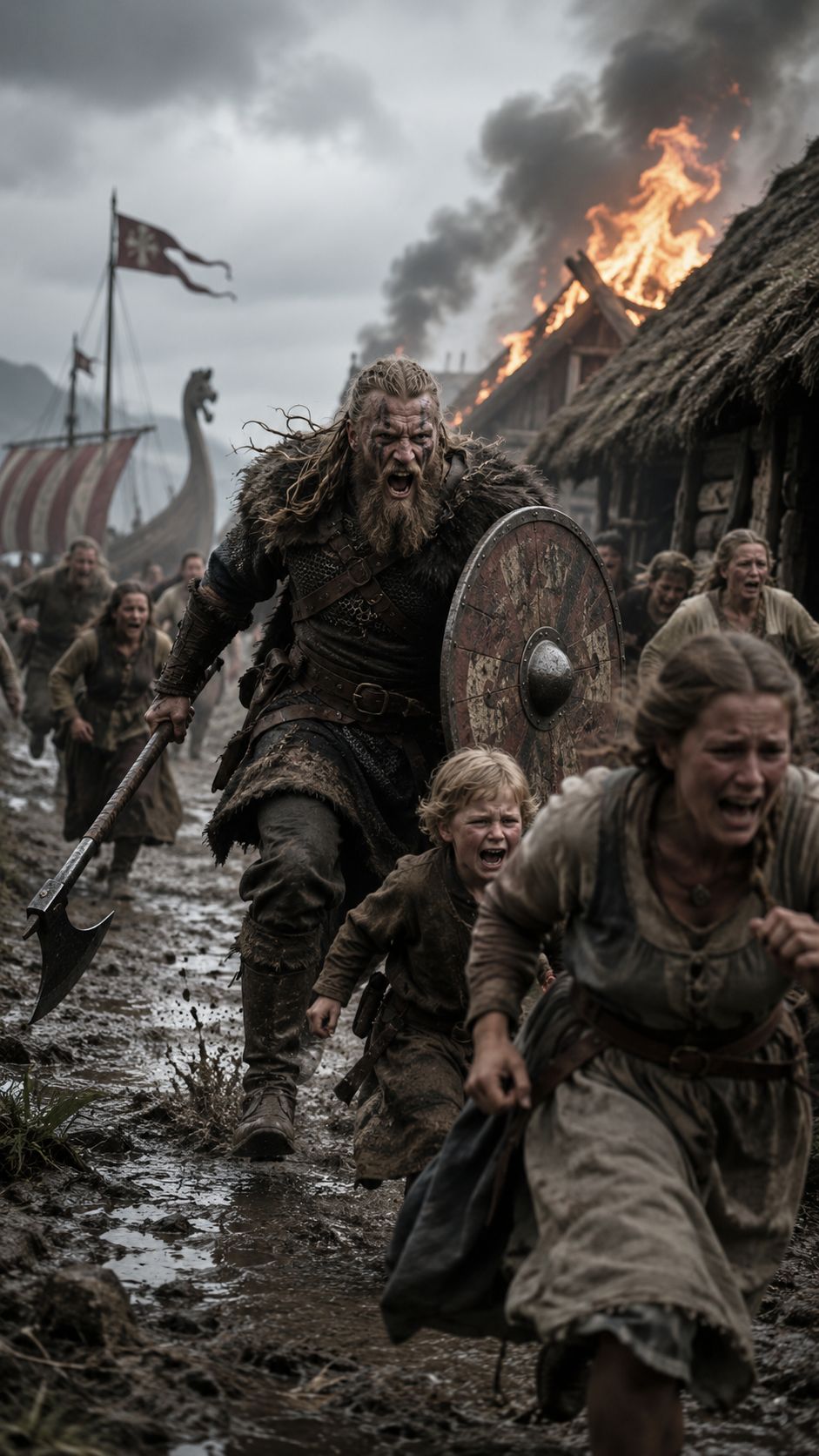
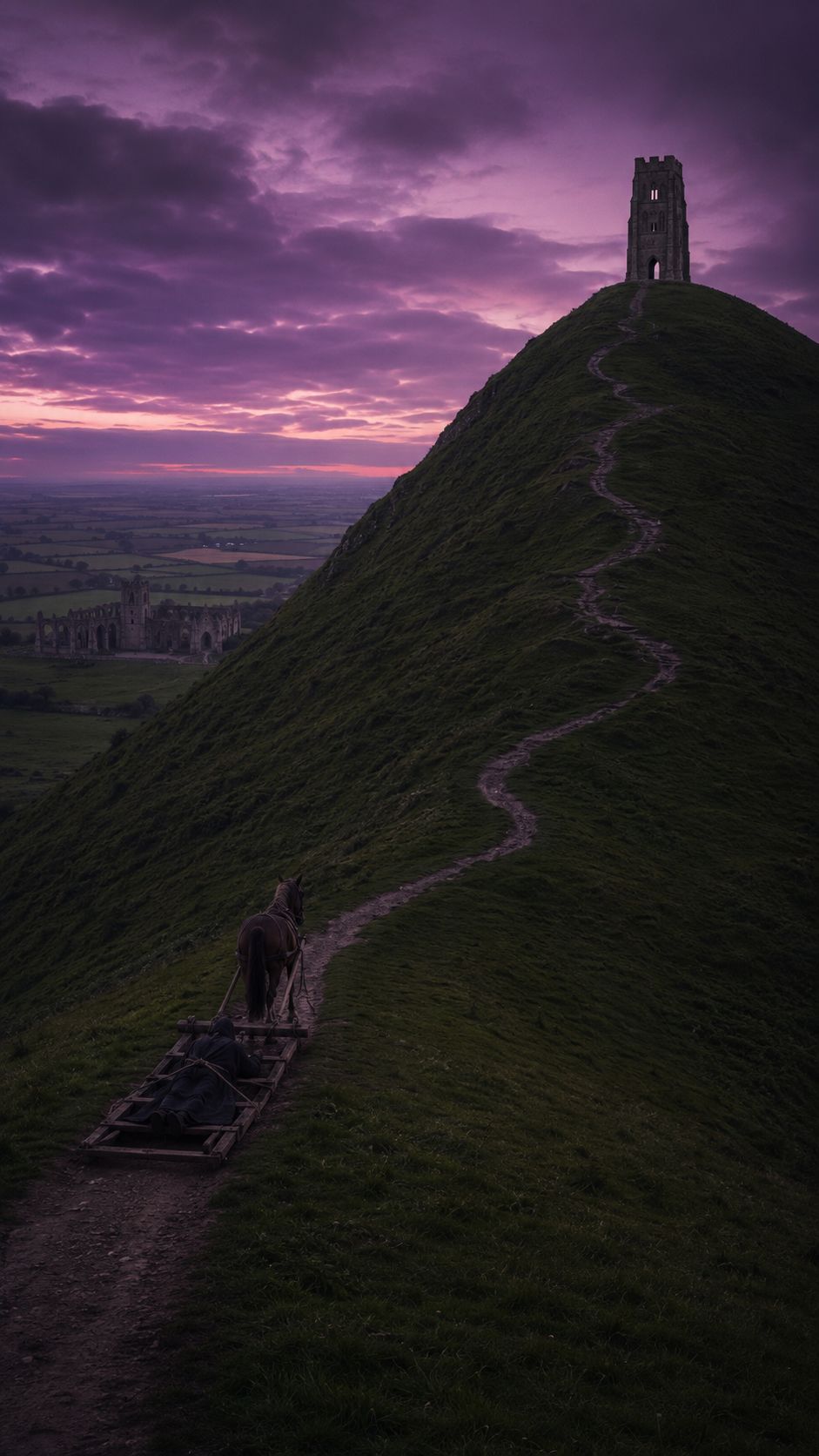
Still there todayThe Cabell tomb, a Grade II* listed chest tomb inside a barred structure beside the ruined Holy Trinity Church in Buckfastleigh. The church walls have loose stones and the church advises against entering the building. See it on the Dark Atlas →
Sources
  • Wikipedia, 'Richard Cabell' — death on 5 July 1677 and burial in a sepulchre at Holy Trinity; his wife Elizabeth Fowell alive when his will was dated 1671; the Grade II* listing; the nickname 'Dirty Dick', the devil and wife-murder rumours, the phantom hounds and the slab over the tomb, all unsourced or marked as legend; the names inscribed inside the mausoleum (Richard d. 1612, Susanna d. 1597, Richard d. 1655), which mean Cabell's burial there is reputed rather than confirmed; Conan Doyle's 1907 reply that his story rested on a remark by Fletcher Robinson about a dog legend connected with an old family
  • Wikipedia, 'The Hound of the Baskervilles' — Conan Doyle exploring Dartmoor in June 1901 with Bertram Fletcher Robinson; Cabell as the main inspiration for the cursed-squire legend; the Hugo Baskerville curse; other proposed influences; serialisation in The Strand Magazine from August 1901 to April 1902. The page was read only to the first 100,000 characters
  • Wikipedia, 'Buckfastleigh' — Cabell, lord of the manor of Brook, building the manor house in 1656; the legend of black hounds after his death; the tomb 'allegedly designed to keep his restless spirit from roaming Dartmoor'
  • St Luke's Church Buckfastleigh, 'Holy Trinity' — the church burnt out by arson in 1992 and worship moving to St Luke's; the Cabell tomb recently restored, including its grille and coving; the legends around it mostly of very doubtful truth; the advice not to enter the church because of loose stones

Nearby on the Dark Atlas

  • The Man The Gallows Refused To Kill

    He stood on the trapdoor three times in one morning, and three times the gallows failed to hang him.

  • The Skulls Stacked In A Roman Quarry Pit

    Fifty-four beheaded skeletons in a Dorset pit trace back to a king's order to kill every Dane in England.

  • The Pirate Lord of Lundy Island

    A pirate nobleman ruled from a fortified island stronghold until the King engineered a four-stage execution to break him.

  • The Abbot Butchered For His Abbey's Gold

    An elderly abbot stood between Henry VIII and England's richest monastery, and was dragged up the Tor to die for it.

All stories near Devon →

← Back to the archive